 |
| Looking down sometimes does not help |

Monday, December 12, 2011
A little bit of training and a little bit of the holidays
This past weekend saw some intense action here on the Costa Rica Outward Bound base. As the remainder of our semester programs wrap up their time in Panama, a large portion of the staff went through training on a variety of topics ranging from conflict resolution to more advanced strategies for teaching while on course. In addition, the group took a trip to downtown San Jose to expand the group’s combined knowledge of the city and some of the locations that do not get as much attention. Other activities included a group trip down the local waterfall near the base, in order to get additional staff prepared for one of the more popular activities offered here, the waterfall rappel! Finishing up the weekend was a festive staff holiday gift exchange and a delicious staff dinner, capping off what has been another amazing season for Costa Rica Outward Bound. Although a busy weekend for the staff here, everyone is excited and ready to go for the 2012 season, which starts off with groups just 2 days after New Years!


Friday, December 2, 2011
Link Roundup!
Although there is a severe dearth of snow and skiing opportunities in Costa Rica, there is a large amount of bamboo. Perhaps the bamboo ski pole is a way Costa Rica can get into winter sports? Story here.
The Central American surfing games are currently underway in Costa Rica, making the best out of Jaco and Playa Hermosa. As our students certainly can tell you, there’s very good reason why the world comes here to surf and compete! Story here.
Although our rivers prove to be some of the most exhilarating in the world, Washington State looks to gain one more river to raft with the destruction of a 100 year old dam.
The Central American surfing games are currently underway in Costa Rica, making the best out of Jaco and Playa Hermosa. As our students certainly can tell you, there’s very good reason why the world comes here to surf and compete! Story here.
Although our rivers prove to be some of the most exhilarating in the world, Washington State looks to gain one more river to raft with the destruction of a 100 year old dam.
Wednesday, November 30, 2011
Feliz Accion de Gracias!
Life in the Costa Rican Rainforest is a fantastic cultural experience for the expatriate staff at Outward Bound. However at times some of the foreign staff here will bring over their own cultural traditions. And with the larger number of American staff, so comes Thanksgiving along with them! Although only attended by a smaller international group, the official Costa Rica Outward Bound Thanksgiving was by all accounts a massive success here on base, complete with numerous dishes and a hearty display of cooking prowess by the organization’s very own Donna White. A true Thanksgiving by all standards, the evening showed all the tell tale signs of a successful meal as no one was able to move for 1-2 hours after finishing their food.
 |
| Donna does her thing! |
 |
| The final product, and yes, it was delicious! |
Thursday, November 24, 2011
Resume Boost: 5 Ways to Market Your Outward Bound Experience

So you've taken a Costa Rica Outward Bound course or something similar. Now what? A lot of students wonder how they can market themselves for future jobs and/or colleges after going through an experience that distinguishes them, both personally and professionally. The difficult part is communicating the impact of a course experience and effectively transferring it to a resume or personal statement. When looking for a standout factor, employers and acceptance committees alike want to see how applicants can add value to their organizations -- so let's look at five ways you can boost your resume and market your unique Outward Bound experience.
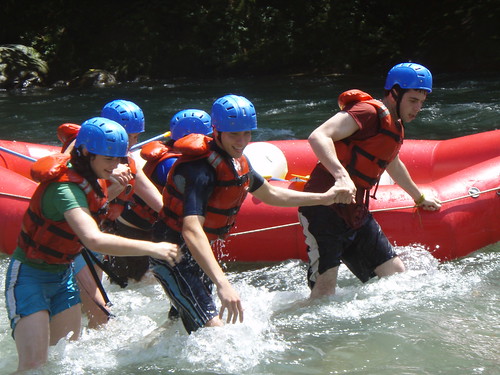
1. Teamwork - In terms of overused buzzwords, "teamwork" sits pretty high on the list; however, an Outward Bound course takes the otherwise subjective concept and makes it significantly less biased. Sure, working with a team to complete a project or meet a deadline is valuable, but being able to say that you literally spent 24-hours a day with a group of unknown peers to belay each other down a cascading waterfall or stay motivated to hike across an entire country awards you a lot more points in the teamwork category. Considering that many companies are shifting towards more collaborative work environments, they'll love the assurance that you can truly perform as a team player and furthermore, that you can prove it.
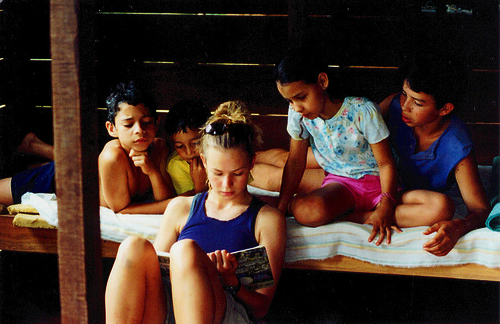
2. International Experience - Costa Rica Outward Bound students are immersed in a foreign culture and spend time learning a foreign language every single day. As organizations stretch their operations across borders more than ever, being able to cite specific examples of cultivating genuine cultural awareness can increase your chances of getting hired or accepted into a higher education program. All of our alumni can highlight personal interactions with Costa Rican families, what it's like to cross international borders, and how they learned enough Spanish to successfully navigate a local market -- they might not be fluent, but they can problem solve and figure out how to communicate, a beneficial skill not every candidate can claim.
3. Certifications - Many of our courses offer multiple certifications that are internationally recognized. Depending on what type of work you're looking for, being able to list these can potentially be the difference between "We'd like to offer you the job!" and "Unfortunately we're looking for someone with more experience." The Leadership Semester program is designed specifically to avoid the latter response (especially for jobs in the outdoor industry), allowing students to earn up to 7 certifications. The main point is that you should take advantage of the opportunity to beef up the "Additional Experience" section of your resume with items like CPR/AED for the Professional Rescuer or First Aid (America Red Cross). It shows that you're competent in other fields and have unique interests. *By the way, any time an acronym is used, be sure to spell out what it means in order to avoid any confusion.
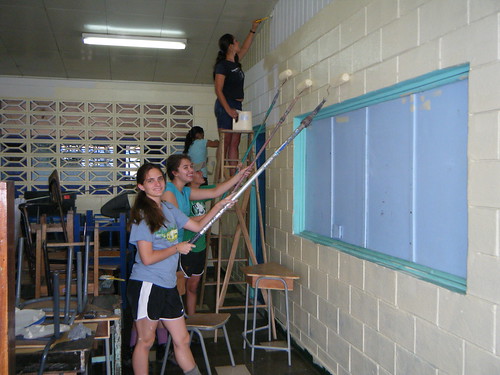
4. Community Service - A lot of universities are taking a more holistic approach to their admissions criteria these days. While grades and standardized test scores still reign supreme as determining factors, well-rounded students with diverse experiences but less-than-perfect GPAs are beginning to find themselves on university campuses more consistently. All of our courses have a strong service project component that takes students into remote villages to paint local schools, build medical clinics, and install safe drinking water tanks. Be sure to mention what the specific project was, but more importantly, what you gained from it and how it applies to other areas.
5. Leadership - Alright, this one can be tricky. How can you make it clear that your "strong leadership skills" don't get the same amount of attention as everyone else who has written a resume in the last 300 years, which is to say, very little. Being able to say that you've developed and refined your own personal leadership style during an Outward Bound course carries a lot more weight. Are you a participating leader? Maybe your approach is more democratic or perhaps you prefer to delegate? If you're a Costa Rica Outward Bound alum, think about the leadership wheel -- which direction did you identify with?
While these suggestions will hopefully build a solid foundation for starting your resume or personal statement, the most powerful way to separate yourself from other applicants is to be honest about what your Outward Bound experience meant to you. If you have a course memory that changed who you are or the way you think, don't hesitate to focus on it (requesting a letter of recommendation from instructors can also have a positive impact on your chances of landing a job). So good luck out there, students! Boost those resumes!
Wednesday, November 16, 2011
Link Roundup!
National Geographic recently put up the new 7 wonders of the world. As you can see, Costa Rica did not make the list. Which is a real bummer, but we still think this place is wonder. Story here.
Anyone who follows futbol/soccer might have seen the thrilling game that Costa Rica played against world champion team Spain. Leading the game 2-0 into halftime, Costa Rica was not able to hold onto their lead and finished the game with a tie. Story here.
La Ruta de los Conquistadores finished up last week, with American Todd Wells winning in his first attempt. Well done to Todd, as well as everyone who finished! Story here.
Many have noticed that Google maps are becoming more and more comprehensive when it comes to mapping out Costa Rica. Apparently the same is happening for other countries, including China, which has had some of their weird Alien/Military/who knows what captured by the Google eye in the sky. Story here.
Anyone who follows futbol/soccer might have seen the thrilling game that Costa Rica played against world champion team Spain. Leading the game 2-0 into halftime, Costa Rica was not able to hold onto their lead and finished the game with a tie. Story here.
La Ruta de los Conquistadores finished up last week, with American Todd Wells winning in his first attempt. Well done to Todd, as well as everyone who finished! Story here.
Many have noticed that Google maps are becoming more and more comprehensive when it comes to mapping out Costa Rica. Apparently the same is happening for other countries, including China, which has had some of their weird Alien/Military/who knows what captured by the Google eye in the sky. Story here.
Subscribe to:
Posts (Atom)